

Desert Online General Trading LLC
Dubai, United Arab Emirates
Desert Online General Trading LLC
Dubai, United Arab Emirates

💡 Light Up Your Creativity!
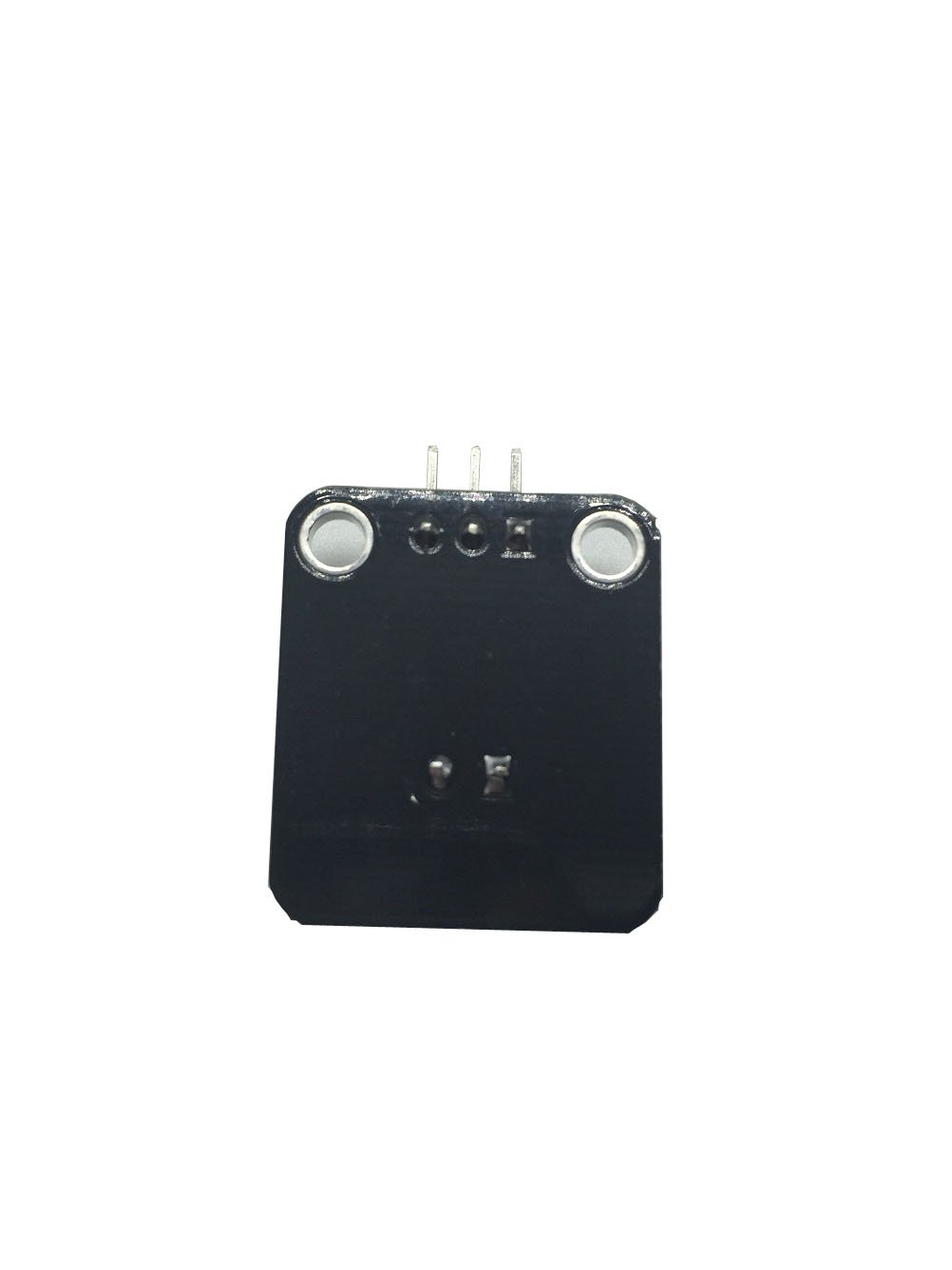
The Phantom YoYo Arduino Compatible Light Sensor is a cutting-edge device designed to detect surrounding luminance and output precise analog values. With adjustable sensitivity and compatibility across multiple platforms, it empowers users to create innovative projects that respond to light in real-time.
R**E
Expensive, but worry-free
As someone new to the Arduino scene, I was nervous about trying to make an optical theremin from merely the raw components. So, when I saw this little bundle, I felt relieved; there was no way to mess it up with my awful soldering skills. You've got a photoresistor, and you've also got a surface mount resistor and capacitor. That combination is essential when dealing with sensitive instruments like ICs and audio outputs. On that note, if you want to make an optical theremin with your 'duino and photocell and you want to hook it up to an amp or an effects pedal, you need to tame that output signal. 5V or even 3.3V if you're using a Due is way above line level. You're going to need a cap of at least 1 microfarad (I suggest 47) with a resistor of about 10K going to the "tip" of your output. Then (this is the key) put a 100-200ohm resistor and use it as a jumper between the tip and sleeve connectors of your output before connecting the sleeve back to the ground on your Arduino. It may sound counterintuitive, but the idea is that the signal comes through the cap and first resistor and any excess voltage is "dumped" into the ground. Think of it like a grease trap in a sink.
E**N
low price, no ducumentation
If you are new to Arduino world, you would need a documentation to say (a) what the range is, (b) provide a sample sketch for pins.If you know what you are doing and have some expertise, you wouldn't need the above. BUT you would have bought a photocell+a resistor on a breadboard (or solder things together).I think the seller needs to have a one page PDF file on their website with that info. Otherwise, a Q&A between two other customers is not proper documentation/manual.
H**N
Great for testing and prototyping
Great for testing and prototyping; useless once you move to the breadboarding phase (you can get a pack of several dozen photoresistors for the cost of this breakout board).
R**.
Works Great!
Works perfectly, even when I'm using it on the wrong type of input on a Pi instead of an Arduino. I might be using it incorrectly but it does what I need it to do, so even better!
F**L
Excellent product
Worked perfectly and I had much enjoyment making it do different things.
T**Z
Five Stars
Quick shipping and extremely happy with the product.
B**N
I am a bit of an arduino novice, but ...
I am a bit of an arduino novice, but the sensor had problems. When I hooked it up, I got very static values of around 250 that would not fluctuate based on light levels. I tried another photosistor that was not tied into a prepackaged IC, and got the proper results, so it seems to be a faulty sensor. Shame.
B**E
Work As Expected
I purchased these for my son's Arduino college project. He's using them as a light sensor for a project that counts the number of people in a room or something.
Trustpilot
Hace 3 semanas
Hace 1 semana